
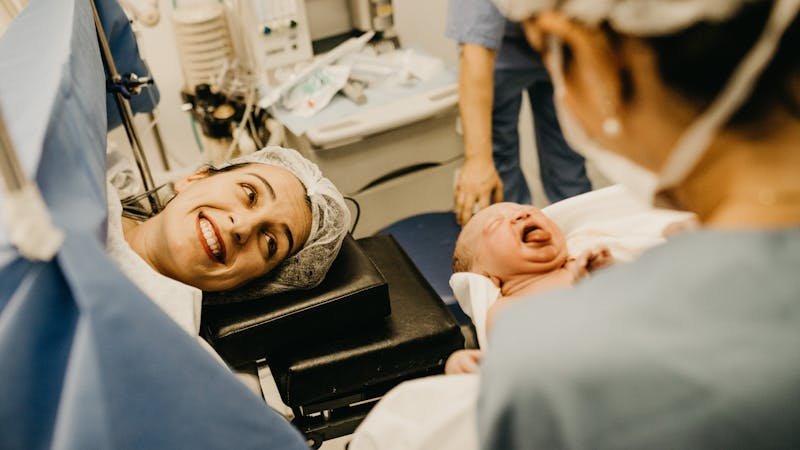
Postpartum depression (PPD) affects approximately 1 in 7 new mothers, making it one of the most common complications of childbirth. Unlike the “baby blues,” which typically resolve within two weeks, PPD can last months or longer without proper treatment.
Recognizing Postpartum Depression
Common Symptoms
- Persistent sadness, emptiness, or hopelessness
- Loss of interest in activities you once enjoyed
- Difficulty bonding with your baby
- Excessive crying
- Severe anxiety or panic attacks
- Changes in appetite and sleep (beyond normal newborn disruptions)
- Overwhelming fatigue or loss of energy
- Feelings of worthlessness or guilt
- Difficulty concentrating or making decisions
- Thoughts of harming yourself or your baby (seek immediate help)
Treatment Options
Therapy
Cognitive Behavioral Therapy (CBT) and Interpersonal Therapy (IPT) are highly effective for PPD. Therapy helps develop coping strategies, process emotions, and improve communication with partners and support systems.
Medication
Antidepressants, particularly SSRIs like sertraline, are safe and effective for breastfeeding mothers. Brexanolone (Zulresso) is specifically FDA-approved for PPD and can provide rapid relief.
Support Groups
Connecting with other mothers experiencing PPD can reduce isolation and provide emotional support. Both in-person and online support groups are available.
Recovery Strategies
- Accept help from family and friends
- Prioritize sleep whenever possible
- Maintain a nutritious diet
- Engage in gentle exercise (with medical clearance)
- Practice self-compassion — PPD is not your fault
- Communicate openly with your partner about your feelings
If you or someone you know is experiencing suicidal thoughts, call the National Suicide Prevention Lifeline at 988 or text HOME to 741741.