
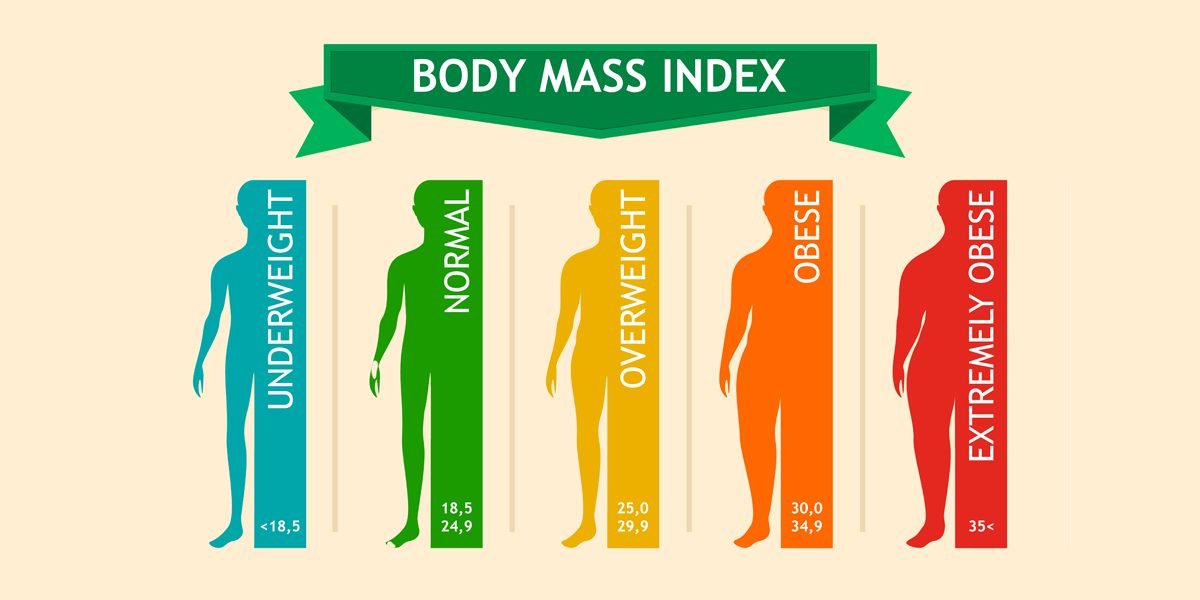
BMI, or Body Mass Index, is a simple method used to estimate whether a person has a healthy body weight based on height and weight. It is commonly used by healthcare professionals and fitness experts to identify weight categories such as underweight, normal weight, overweight, and obesity.
What Is BMI?
Body Mass Index (BMI) is a numerical value calculated using:
- Body weight
- Height
It helps provide a general idea of whether your weight is appropriate for your height.
BMI Formula
The standard BMI formula is:
BMI = Weight (kg) ÷ Height² (m²)
Example
If a person weighs 70 kg and their height is 1.75 m:
BMI = 70 ÷ (1.75 × 1.75)
BMI = 22.9
This falls within the healthy weight range.
BMI Categories
| BMI Range | Weight Category |
|---|---|
| Below 18.5 | Underweight |
| 18.5 – 24.9 | Normal Weight |
| 25 – 29.9 | Overweight |
| 30 and above | Obesity |
Why BMI Is Important
BMI can help:
- Identify unhealthy weight levels
- Assess potential health risks
- Track fitness progress
- Support healthy lifestyle planning
Maintaining a healthy BMI may reduce the risk of:
- Heart disease
- Diabetes
- High blood pressure
- Joint problems
Limitations of BMI
BMI is useful for general guidance, but it does not directly measure:
- Body fat percentage
- Muscle mass
- Bone density
For example, athletes with high muscle mass may have a higher BMI without having excess body fat.
How to Maintain a Healthy BMI
Follow a Balanced Diet
Eat foods rich in:
- Vegetables
- Fruits
- Whole grains
- Lean protein
- Healthy fats
Try to reduce:
- Sugary drinks
- Junk food
- Excess processed foods
Exercise Regularly
Regular physical activity supports healthy weight management.
Helpful activities include:
- Walking
- Running
- Cycling
- Yoga
- Home workouts
Get Proper Sleep
Poor sleep habits may affect metabolism and weight management.
Aim for consistent and quality sleep daily.
Stay Hydrated
Drinking enough water supports overall health and may help control appetite.
BMI for Children and Adults
BMI interpretation may vary for:
- Children
- Teenagers
- Adults
- Older adults
Healthcare professionals may use additional factors such as age and gender for more accurate assessment.
Final Thoughts
BMI is a simple and useful tool for understanding weight status and overall health risks. While it should not be the only measurement of health, it can help guide healthier lifestyle choices when combined with balanced nutrition, regular exercise, and proper medical advice.