
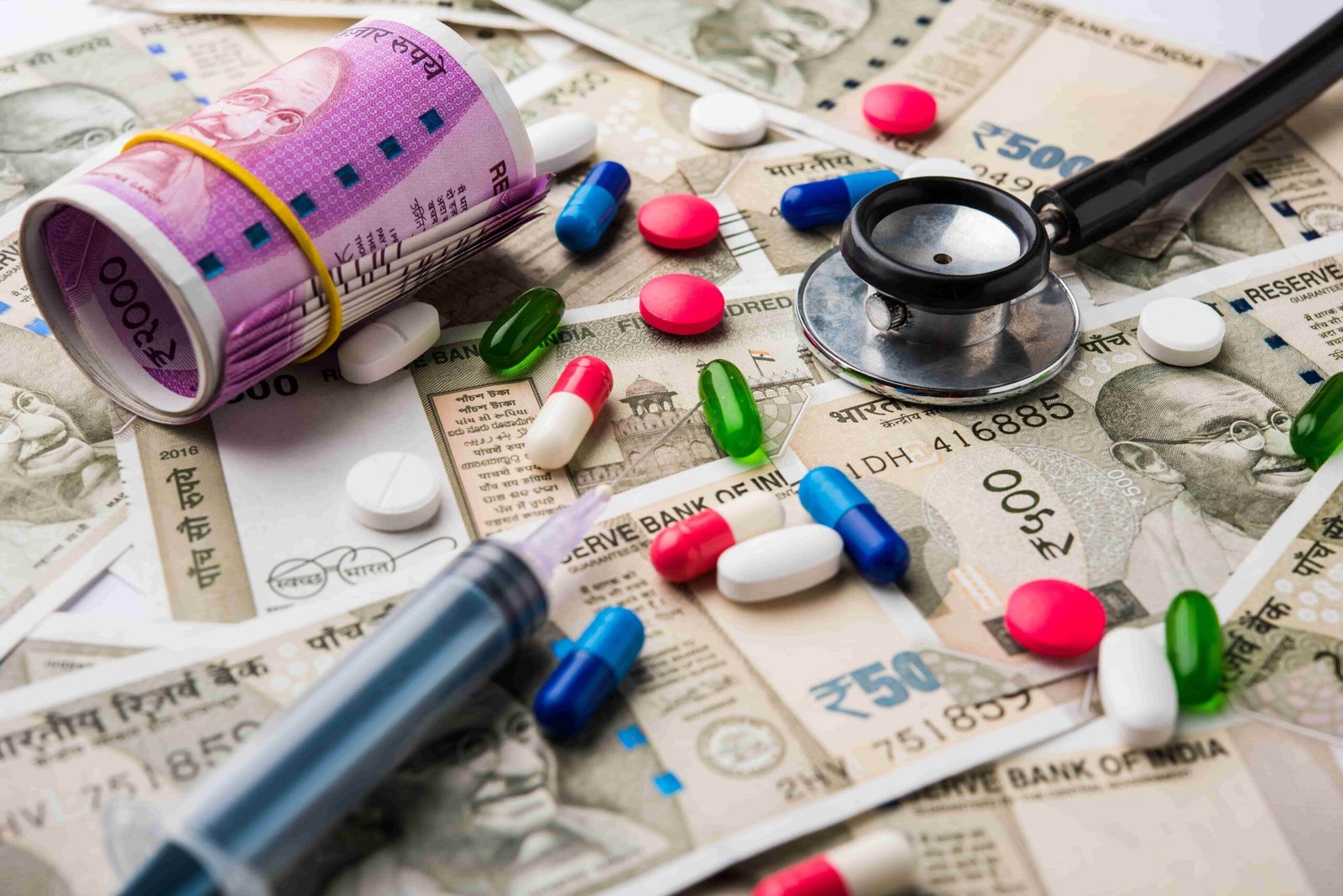
Hospital treatments and medical emergencies can become financially stressful if expenses are not managed properly. While healthcare costs continue to rise, there are several practical ways to reduce hospital bills and avoid unnecessary expenses. Proper planning, insurance awareness, and smart decisions can help lower overall medical costs.
Why Hospital Bills Become Expensive
Hospital bills often include:
- Doctor consultation fees
- Room charges
- Diagnostic tests
- Medicines and injections
- Surgery costs
- ICU and emergency services
Understanding these charges can help patients identify areas where they may save money.
Effective Ways to Reduce Hospital Bills
Use Health Insurance Properly
Health insurance can significantly reduce out-of-pocket expenses during hospitalization.
Before admission:
- Check whether the hospital is part of your insurer’s network
- Understand policy coverage and limits
- Verify cashless treatment options
Cashless hospitals can reduce upfront payments and paperwork.
Choose Network Hospitals
Many insurance providers partner with specific hospitals offering lower negotiated treatment rates.
Benefits of network hospitals:
- Lower treatment costs
- Faster insurance approval
- Reduced billing complications
Compare Hospital Costs
Different hospitals may charge different amounts for the same treatment.
Before non-emergency procedures:
- Compare consultation fees
- Check room charges
- Ask about surgery package costs
Smaller accredited hospitals may sometimes offer more affordable treatment than premium hospitals.
Request an Itemized Bill
Always ask for a detailed bill breakdown.
This helps identify:
- Duplicate charges
- Incorrect medicine entries
- Unnecessary services
- Billing errors
Carefully reviewing the final bill may help reduce extra costs.
Avoid Unnecessary Tests
Some medical tests may not always be essential.
Patients can:
- Ask doctors why a test is needed
- Request cheaper alternatives if available
- Carry previous medical reports to avoid repeat testing
Choose Generic Medicines
Generic medicines often cost much less than branded versions while providing similar effectiveness.
You can ask:
- If generic alternatives are available
- Whether medicines can be purchased outside the hospital pharmacy
Opt for Daycare Procedures
Many modern treatments no longer require long hospital stays.
Shorter admissions can help reduce:
- Room charges
- Nursing fees
- Additional service costs
Maintain Emergency Savings
A medical emergency fund helps avoid debt and high-interest loans during hospitalization.
Even small monthly savings can help prepare for unexpected healthcare expenses.
Government Health Schemes in India
Several government healthcare schemes may help eligible families reduce treatment costs.
Popular programs include:
- Ayushman Bharat
- State health insurance schemes
- Employee medical benefits
Checking eligibility can provide financial relief during major treatments.
Importance of Preventive Healthcare
Preventing illness is often less expensive than treating advanced medical conditions.
Healthy habits such as:
- Regular exercise
- Balanced diet
- Annual health checkups
- Avoiding smoking and alcohol
can reduce long-term healthcare expenses.
Final Thoughts
Hospital bills can be overwhelming, but informed decisions and proper financial planning can help manage costs effectively. Using health insurance wisely, reviewing bills carefully, and maintaining healthy habits are practical ways to reduce medical expenses and protect your financial well-being.