
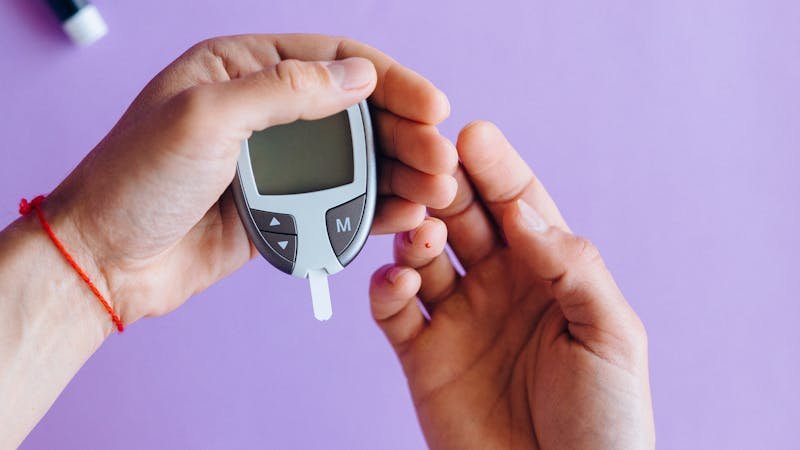
Diabetes affects over 537 million adults worldwide, making it one of the fastest-growing health epidemics of the 21st century. Whether you have been recently diagnosed or are looking to prevent diabetes, understanding blood sugar management is essential for long-term health.
Types of Diabetes
Type 1 Diabetes
Type 1 diabetes is an autoimmune condition where the pancreas produces little or no insulin. It typically develops in childhood or young adulthood and requires lifelong insulin therapy.
Type 2 Diabetes
Type 2 diabetes occurs when the body becomes resistant to insulin or does not produce enough insulin. It is the most common form, accounting for 90-95% of all diabetes cases, and is strongly linked to lifestyle factors.
Blood Sugar Monitoring Essentials
Regular blood sugar monitoring is the cornerstone of effective diabetes management. The American Diabetes Association recommends these target ranges:
- Fasting blood sugar: 80-130 mg/dL
- Two hours after meals: Less than 180 mg/dL
- A1C level: Below 7% for most adults
Continuous Glucose Monitors (CGMs)
CGM technology has transformed diabetes management. Devices like the Dexcom G7 and Freestyle Libre 3 provide real-time glucose readings every few minutes, alerting users to dangerous highs and lows before they become emergencies.
Nutrition for Blood Sugar Control
A balanced diet is crucial for managing blood sugar levels. Focus on:
- Complex carbohydrates with low glycemic index (whole grains, legumes)
- Lean proteins (chicken, fish, tofu)
- Healthy fats (avocado, nuts, olive oil)
- High-fiber vegetables (broccoli, spinach, bell peppers)
Exercise and Blood Sugar
Regular physical activity improves insulin sensitivity and helps lower blood sugar levels. Aim for at least 150 minutes of moderate-intensity aerobic exercise per week, combined with resistance training 2-3 times weekly.
Always consult your healthcare provider before making changes to your diabetes management plan.