
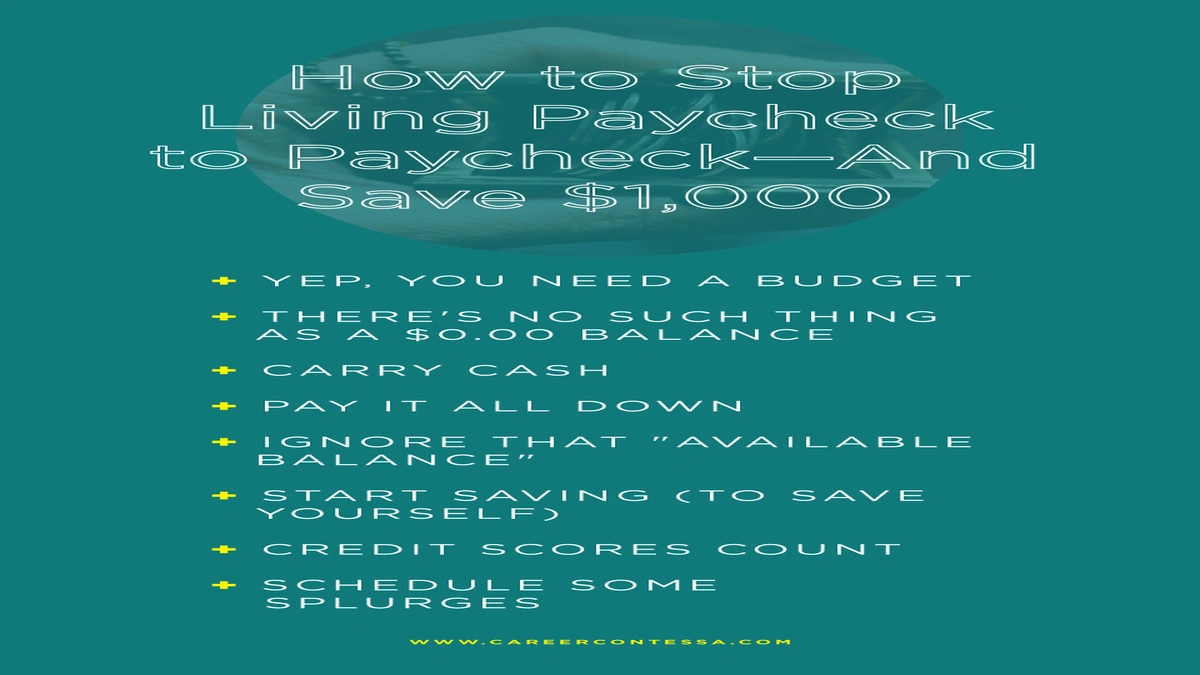
It is the 1st of the month. Your phone buzzes. “Salary of INR 75,000 credited to your account.” For a brief, shining moment, you feel like the king of the world. You pay your rent, clear your credit card bill, order a fancy dinner on Zomato, and maybe buy that pair of sneakers sitting in your cart. Life is good.
But then, the 20th arrives. The bank balance has mysteriously dwindled to triple digits. You find yourself cooking instant noodles, ignoring your friends’ plans to hang out, and checking your banking app every morning hoping for a miracle. You are trapped in the classic, exhausting cycle of the salary cycle .
If you are wondering how to stop living paycheck to paycheck , you are not alone. Millions of middle-class professionals in India are caught in this exact same loop. It does not matter if you make ₹50,000 or ₹2,50,000 a month; without a strategy, lifestyle inflation will always catch up. Let’s talk about how to break free once and for all, with a practical approach tailored for our modern Indian reality.
The True Cost of the End-of-the-Month Panic
Here is the thing we rarely talk about: living paycheck to paycheck is not just a financial problem; it is a mental health crisis. The constant low-grade anxiety of wondering whether a single medical emergency or car breakdown will completely wipe you out is incredibly draining.
In fact, the stress of living on the edge can manifest physically. When you are constantly worrying about how to pay the next rent installment, your body remains in a permanent fight-or-flight state. This manifests physically. Did you know that financial anxiety is one of the leading triggers for physical tension? If you find yourself hunched over your laptop stressing about your bank balance, you might also want to look into chronic back pain relief strategies because a stressed mind almost always equals a tight, painful body.
And let’s be honest, chronic stress wreaks havoc on your biology too. High cortisol drains your energy and tanks your vital hormones. While you might try upgrading your diet or researching testosterone boosting foods to get your energy back, the ultimate cure for that constant exhaustion is fixing the leaking hole in your wallet.
To escape this, we need to transition from passive consumers to active managers of our money. Understanding basic personal finance principles is the first step toward reclaiming your peace of mind.
Step 1 | The “No-Nonsense” Audit of Your Monthly Expenses
Most budgeting advice tells you to stop drinking your daily cutting chai or lattes. Frankly, that is terrible advice. Cutting out a ₹20 tea is not going to make you rich, and it only makes your life miserable. Instead, we need to focus on the big leaks.
The first rule of learning how to manage personal finances is to look at where the bulk of your money actually goes. For most young Indians, it is a combination of high rent, “No-Cost EMIs” on electronics, and subscription creep.
Here is a quick exercise. Open your UPI app and look at your statement from the last 30 days. Don’t worry about categorization just yet. Just look at the sheer number of transactions. Those ₹150 payments to Blinkit, Zepto, and Swiggy add up much faster than you think. When you actively track your spending , you start to realize that you do not have an income problem; you have a distribution problem. You need a realistic monthly budget plan that accounts for your actual habits, not some idealized version of yourself.
Step 2 | Escape the Debt Trap of “Buy Now, Pay Later”
We live in an era of hyper-convenience. E-commerce platforms make it incredibly easy to buy things we cannot afford with the click of a button. Credit cards, personal loans, and “Buy Now, Pay Later” (BNPL) schemes are designed to keep you trapped.
When you buy a smartphone on an EMI, you are essentially importing your future income to pay for your present desires. This is a dangerous debt trap . If you are already living paycheck to paycheck, adding a monthly EMI commitment of ₹5,000 for the next nine months is financial suicide.
To build financial peace of mind , make a pact with yourself today: if you cannot afford to buy it twice in cash right now, you cannot afford it. Period. Focus on paying off existing high-interest debts first. Every EMI you eliminate is a direct raise to your monthly disposable income.
Step 3 | Automate Your Savings First, Spend What is Left
Most people follow this formula:
Income – Expenses = Savings
This is why you have zero savings at the end of the month. Human nature dictates that we will spend whatever is available in our account. To change this, you must flip the formula:
Income – Savings = Expenses
The day your salary hits your account, immediately automate a transfer to a separate bank account or mutual fund SIP. Do not even give yourself the chance to look at that money. This concept is called “paying yourself first.” By forcing yourself to live on the remaining amount, you learn the art of living within your means naturally.
Your primary goal here should be building an emergency fund. In the Indian context, having 3 to 6 months of your basic living expenses parked in a liquid mutual fund or a high-yield savings account is a non-negotiable step toward breaking the paycheck cycle. When you have a financial cushion, a job loss or medical emergency becomes an inconvenience rather than a catastrophe.
Your Roadmap to True Financial Freedom
Escaping this cycle is not about overnight miracles. It is about small, consistent behavioral shifts. It is about choosing the peace of knowing you have money in the bank over the fleeting high of an impulsive purchase.
Once you secure your baseline, you can start exploring how to save money more aggressively and invest for long-term financial freedom. The journey starts with a single step: auditing your bank account today, without judgment, and deciding that you deserve better than a life lived in constant financial suspense.
Frequently Asked Questions
What is the easiest way to start an emergency fund when I have no money left at the end of the month?
Start ridiculously small. Even automating a transfer of ₹500 or ₹1,000 on salary day helps. The goal is to build the habit of saving before you spend. As you cut minor unnecessary expenses, you can gradually increase this amount.
Is it bad to use credit cards while trying to stop living paycheck to paycheck?
If you cannot pay the full statement balance every month, yes, put the credit card away immediately. Credit cards are great for rewards, but only if you treat them like debit cards and never spend money you do not actually have in your bank account.
How do I manage lifestyle inflation when my friends earn more and spend heavily?
It is tough to deal with peer pressure, but “keeping up with the Guptas” is a fast track to financial ruin. Be honest with your friends or suggest cheaper alternatives for hangouts. True friends will understand, and your future self will thank you.
Should I prioritize saving an emergency fund or paying off my debts first?
A good rule of thumb is to build a small, basic emergency fund (say, one month’s expenses) first so you don’t fall deeper into debt when an emergency hits. Once that is done, aggressively pay off your highest-interest debts before fully funding your larger emergency fund.