
Let’s be completely honest for a moment. Reading a health insurance prospectus is about as exciting as watching paint dry on a rainy Sunday in Mumbai. It is packed with mind-numbing jargon, tiny asterisks, and legalese designed to make you throw your hands up in frustration and just buy whatever policy your friendly neighborhood uncle or banker recommends. But here is the wake-up call: doing that is probably one of the most expensive financial mistakes you will ever make.
A few years ago, a close friend of mine let’s call him Amit thought he was completely safe. He had a Rs 5 Lakh corporate health policy from his fancy tech job. When his father had an emergency cardiac issue, they rushed to a premium hospital. The final bill came to Rs 11.5 Lakhs. Amit had to scramble, break his fixed deposits, and borrow money from friends to bridge the gap. That is when the reality of medical inflation in India hit him. Today, double-digit inflation in healthcare is not a myth; it is a harsh reality. If you do not know How to Choose the Right Health Insurance Plan now, you are essentially gambling with your family’s future and your hard-earned savings.
So, grab a cup of chai, get comfortable, and let us break down how to choose a policy that actually pays up when you are in a hospital bed. No jargon, just pure, actionable strategy.
The Corporate Policy Trap | Why It is Never Enough
The most common excuse I hear from young professionals in Bengaluru, Delhi, or Gurgaon is: “My company covers me, so why should I pay a separate health insurance premium ?” It sounds logical on the surface. But let’s look under the hood.
First, corporate plans are tied to your employment. What happens if you decide to take a career break, start your own business, or worse, get laid off? You are instantly uninsured. If you try to buy a personal health policy at age 45 after leaving a corporate job, you will face massive premium rates and strict medical screenings. It’s much smarter to buy early when you are healthy and your premium is low. Additionally, building a healthy foundation with good lifestyle choices is vital; for instance, understanding how sleep hygiene and overall health are linked can keep your health risks and future insurance premiums manageable.
Second, corporate covers are rarely customized to your family’s unique medical history. They are group policies designed to fit everyone broadly and no one specifically. If you want to build a bulletproof safety net, you must treat your employer’s plan as a secondary backup and establish a robust personal policy as your primary defense. To truly secure your financial future, you should look at comprehensive personal finance strategies that integrate health cover with wealth building.
The Fine Print That Can Ruin You | Room Rent, Co-Pay, and Waiting Periods
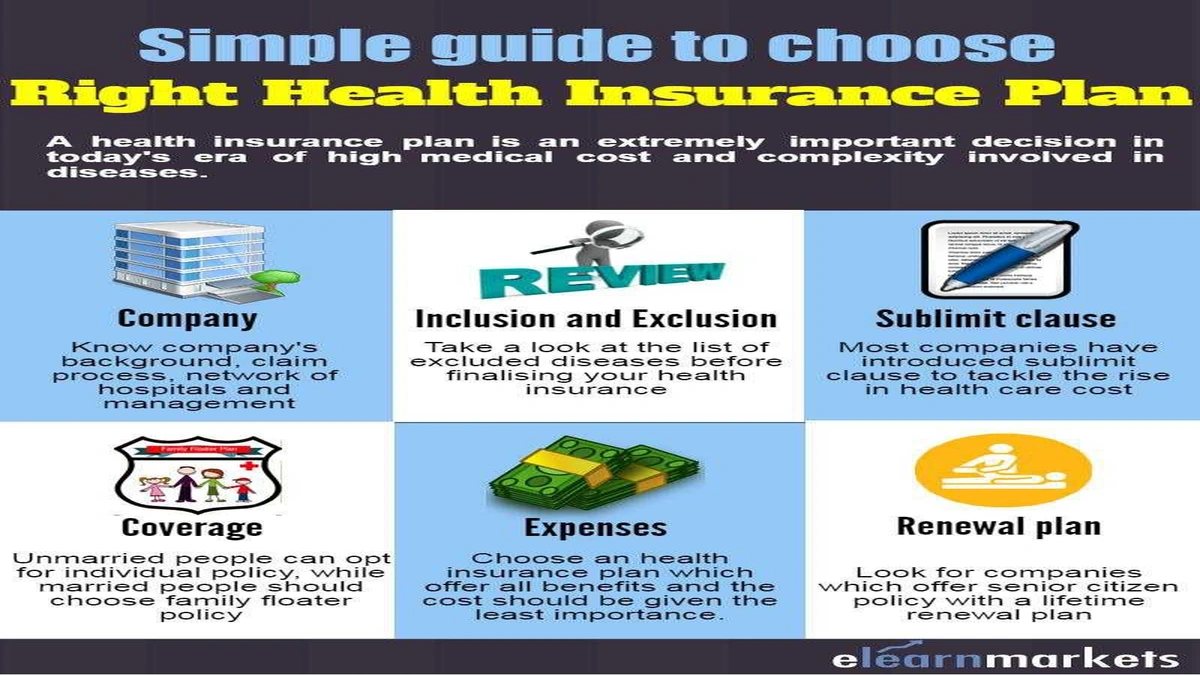
This is where the devil in the details lives. When people look for the best health insurance in India , they often make the mistake of sorting by the cheapest premium. This is a massive trap. Cheap policies are cheap for a reason they hide nasty clauses in the fine print.
1. Sub-Limits on Room Rent
Imagine you get hospitalized for a minor surgery. The doctor tells you that you need to stay in the hospital for three days. You choose a deluxe private room because you want some privacy. When the bill arrives, you realize your insurer is only paying 50% of the doctor’s fees, OT charges, and medicines. Why? Because of sub-limits on room rent .
Many policies cap room rent at 1% of the sum insured per day (or 2% for ICU). If your sum insured is Rs 5 Lakhs, your room rent limit is Rs 5,000 per day. If you stay in a room that costs Rs 10,000, you don’t just pay the difference of Rs 5,000. Due to a concept called “proportionate deduction,” the insurer will scale down all associated medical bills proportionately. To avoid this nightmare, always choose a policy with “No Room Rent Caps” or “Single Private AC Room” eligibility. It is non-negotiable.
2. The Co-Payment Clause
A co-payment clause means you agree to pay a certain percentage of the claim amount out of your own pocket. If your policy has a 20% co-pay and your bill is Rs 10 Lakhs, you are writing a check for Rs 2 Lakhs. While co-pay options lower your premium, they destroy the core purpose of having insurance in the first first place. Avoid co-pay clauses entirely, unless you are buying a policy for senior citizens where no other option is available.
3. The Waiting Period for Pre-Existing Diseases
If you have diabetes, hypertension, or asthma when you buy the policy, these are classified as Pre-Existing Diseases (PED). Insurers do not cover these from Day 1. There is a waiting period for pre-existing diseases which usually ranges from 2 to 4 years. According to the latest guidelines set by theIRDAI (Insurance Regulatory and Development Authority of India), these wait times must be clearly declared. Your goal should be to find a plan with the shortest waiting period (ideally 1 to 2 years) for any conditions you currently manage.
Deciding the Structure | Individual Plan vs. Family Floater
How should you structure your policy? Should everyone in your home have their own independent cover, or should you bundle them together? Let’s break it down.
A family floater health insurance plan is highly cost-effective when you have a young family (you, your spouse, and young children). The entire sum insured is shared among all family members. For instance, a Rs 10 Lakh floater means any one or all of you can utilize up to Rs 10 Lakhs in a year. Since it’s highly unlikely that everyone will fall critically ill at the exact same time, this works beautifully and keeps your premium affordable.
However, do not add your aging parents to your family floater. Why? Because the premium of a floater plan is calculated based on the age of the oldest member. If you add your 60-year-old father to a floater with your 28-year-old self, your premium will skyrocket. Moreover, older parents have a higher risk of hospitalization, which could deplete the entire sum insured, leaving nothing for you or your spouse. Buy separate, dedicated plans for your parents.
Evaluating the Insurer | Beyond the Fancy Advertisements
Do not buy a policy simply because a Bollywood superstar or an IPL cricket captain is endorsing it. When things go south and you are waiting in a hospital lobby at 2 AM, the brand ambassador won’t help you. You need to look at two critical operational metrics:
- Claim Settlement Ratio (CSR): This is the percentage of claims the insurer has paid out of the total claims received. Look for an insurer with a claim settlement ratio of over 95% consistently over the last three years. This shows they aren’t actively looking for excuses to reject your claims.
- Cashless Network Hospitals: What is the point of insurance if you have to pay upfront and then wait months for reimbursement? Look for an insurer that has a wide network of cashless network hospitals in your city, especially close to where you live. Check if your preferred local hospital is on their cashless panel.
The Final Verdict | My Personal Buying Framework
To make this incredibly simple, here is my personal quick-reference framework for buying health cover in India:
- Sum Insured: Minimum Rs 10 Lakhs for Tier 2/3 cities; Rs 15-20 Lakhs if you live in a metro city like Mumbai, Delhi, or Bengaluru. Medical costs are rising rapidly, so buy as much cover as you can comfortably afford.
- Room Rent: Insist on “No Sub-limits on Room Rent” or “Single Private AC Room”.
- No Claim Bonus (NCB): Choose plans that offer a bonus (extra cover at no extra cost) for every claim-free year. Some plans double your cover in just 2-3 years.
- Consumables Cover: Ensure your plan covers modern consumables (like gloves, masks, PPE kits, and syringes) which can easily make up 10-15% of your final hospital bill.
Frequently Asked Questions
What if I forgot to declare a pre-existing illness when buying?
Never hide your medical history. If you hide a condition like diabetes or high blood pressure to get a lower premium, the insurer will discover it during the claim investigation and reject your claim outright. Honesty is the only policy here.
Can I change my health insurance plan if I’m not happy with the current insurer?
Yes, absolutely! You can port your health insurance policy to another insurer just like you port your mobile network. The best part is that you do not lose the credit for your waiting periods; the time you have already spent with your old insurer will be carried forward.
What is a restoration benefit and is it useful?
Restoration benefit automatically restores your sum insured to 100% if you exhaust it during a policy year. This is incredibly useful, especially in family floater plans, as it ensures that if one family member exhausts the limit, the others still remain fully protected.
Are premium charges tax-deductible?
Yes, under Section 80D of the Income Tax Act, you can claim a deduction of up to Rs 25,000 for premiums paid for yourself, your spouse, and your children. You can also claim an additional deduction of up to Rs 25,000 (or Rs 50,000 if they are senior citizens) for premiums paid for your parents.
Is maternity cover worth it in a health insurance policy?
Generally, buying a plan specifically for maternity cover is not very cost-effective. Maternity coverage usually comes with a long waiting period (often 2 to 4 years) and has a strict cap (like Rs 50,000), while raising the overall premium significantly. It is usually better to fund maternity expenses through personal savings.