
Intermittent fasting (IF) has become one of the most researched and practiced dietary approaches worldwide. Rather than focusing on what you eat, intermittent fasting focuses on when you eat, creating specific windows of eating and fasting that can trigger powerful metabolic benefits.
Popular Intermittent Fasting Methods
16:8 Method (Time-Restricted Eating)
The most popular approach: fast for 16 hours and eat within an 8-hour window. Most people skip breakfast and eat between 12 PM and 8 PM. This method is sustainable for long-term practice.
5:2 Method
Eat normally for 5 days and restrict calories to 500-600 on 2 non-consecutive days per week.
Eat-Stop-Eat
Perform one or two 24-hour fasts per week. For example, fast from dinner one day to dinner the next day.
Proven Benefits of Intermittent Fasting
- Weight Loss: Studies show 3-8% body weight loss over 3-24 weeks
- Insulin Sensitivity: Fasting can reduce insulin resistance by 20-31%
- Cellular Repair: Autophagy — the body’s cellular cleanup process — is activated during fasting
- Brain Health: Increases brain-derived neurotrophic factor (BDNF)
- Inflammation Reduction: Studies show decreased markers of inflammation
- Heart Health: May improve cholesterol, blood pressure, and triglyceride levels
Tips for Success
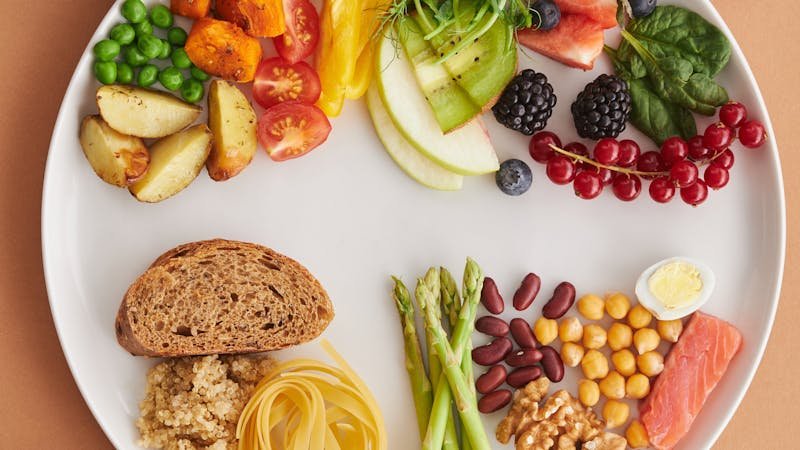
Stay hydrated during fasting periods with water, black coffee, and unsweetened tea. Start with a 12-hour fast and gradually extend to 16 hours over 1-2 weeks. Focus on nutrient-dense foods during eating windows to maximize benefits.
Intermittent fasting is not recommended for pregnant or breastfeeding women, individuals with eating disorders, or those with certain medical conditions. Always consult your healthcare provider before starting.