
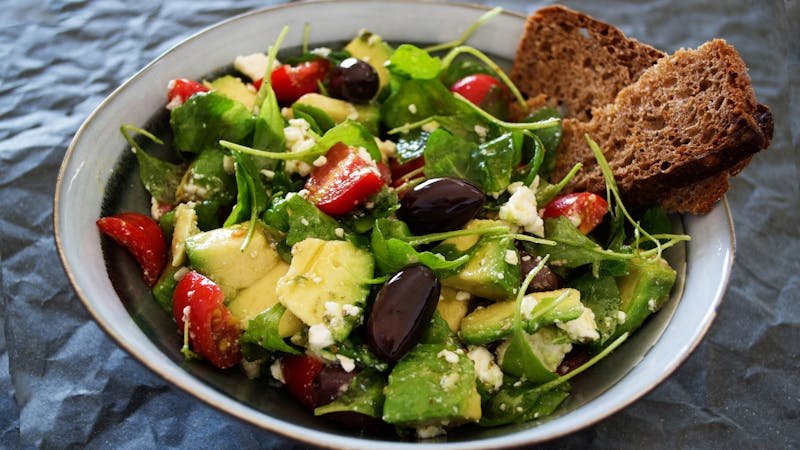
The ketogenic (keto) diet continues to be one of the most popular and effective approaches to weight loss in 2026. By dramatically reducing carbohydrate intake and replacing it with fat, your body enters a metabolic state called ketosis, where it becomes incredibly efficient at burning fat for energy.
How the Keto Diet Works
The standard ketogenic diet typically consists of approximately 70-75% fat, 20-25% protein, and 5-10% carbohydrates. This macronutrient ratio forces your body to switch from using glucose as its primary fuel source to using ketone bodies produced from the breakdown of fats.
Foods to Eat on Keto
- Healthy Fats: Avocados, olive oil, coconut oil, butter, ghee
- Proteins: Grass-fed beef, chicken, salmon, eggs, turkey
- Low-Carb Vegetables: Spinach, kale, broccoli, cauliflower, zucchini
- Dairy: Cheese, heavy cream, Greek yogurt (full-fat)
- Nuts and Seeds: Almonds, walnuts, chia seeds, flaxseeds
Foods to Avoid
- Sugar and sweetened beverages
- Grains and starches (bread, pasta, rice)
- Most fruits (except small portions of berries)
- Beans and legumes
- Root vegetables (potatoes, carrots)
Benefits of the Keto Diet
Research has shown that the keto diet can lead to significant weight loss, improved blood sugar control, reduced triglycerides, increased HDL cholesterol, and improved mental clarity. Some studies also suggest benefits for epilepsy, polycystic ovary syndrome (PCOS), and certain neurological conditions.
Managing the Keto Flu
During the first 1-2 weeks, many people experience “keto flu” symptoms including fatigue, headache, brain fog, and irritability. These symptoms are temporary and can be managed by staying hydrated, supplementing electrolytes (sodium, potassium, magnesium), and getting adequate sleep.
Always consult a healthcare professional before starting any new diet, especially if you have pre-existing health conditions.