
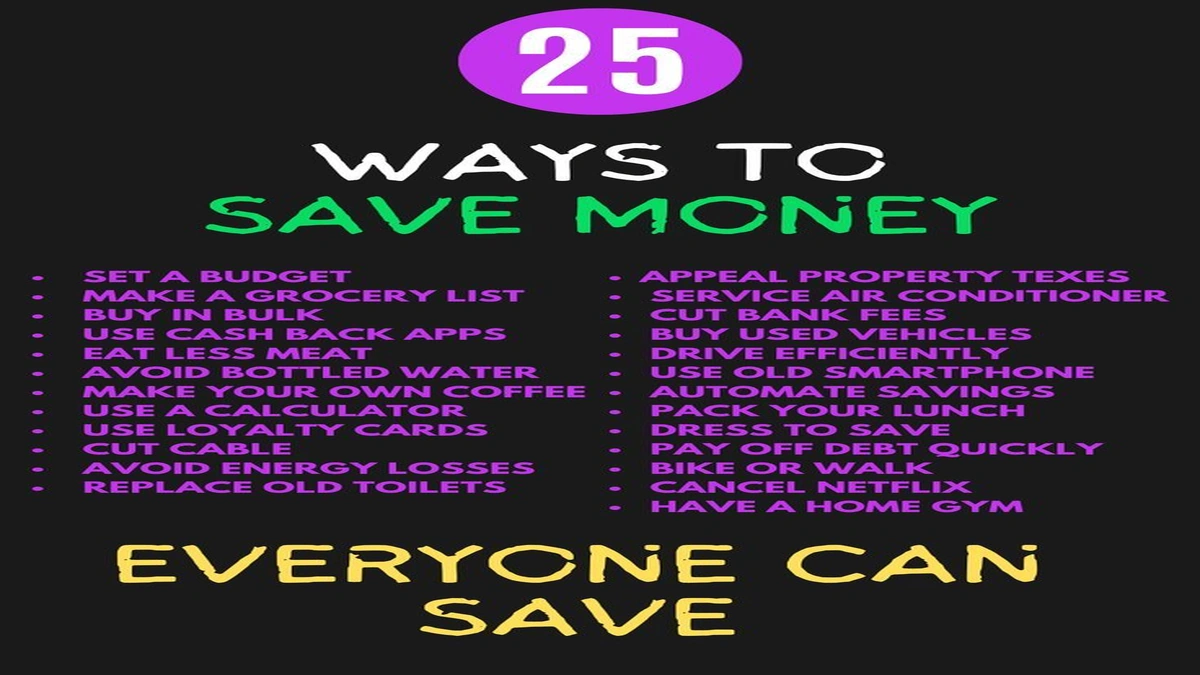
Imagine this scenario: It’s the 25th of the month. You are standing at the billing counter of your local supermarket, or maybe you’re about to pay an auto-rickshaw driver. You open your UPI app, enter your PIN, and hold your breath for a split second. Will the transaction go through, or will you get that dreaded “insufficient funds” notification? We have all experienced that sudden spike in heart rate. It is exhausting, stressful, and incredibly common.
Let’s be completely honest here. Most of the advice you find online about How to Save Money Fast on a Low Income feels like it was written by people who have never actually had to choose between paying their electric bill and buying groceries. They tell you to “just stop buying seven-dollar lattes” or “stop going out for expensive weekend brunches.” But what if you aren’t doing any of that? What if your biggest luxury is a ten-rupee cutting chai at the roadside stall, and you are still struggling to make ends meet at the end of the month?
I have been there. I remember living in a tiny, cramped PG room in Noida, earning a starting salary that barely covered my monthly rent and daily commute. Back then, saving money felt like an impossible luxury reserved only for the wealthy. But over time, I realized something crucial: saving money isn’t about how much you earn; it is about how you manage the flow of whatever you have. Let’s grab a virtual cup of tea and break down a realistic, step-by-step roadmap to building your savings, even when your budget feels incredibly tight.
1. The “Pay Yourself First” Mindset Shift
Let’s look at how most of us handle our monthly income. Your salary hits your account on the first of the month. You immediately pay your landlord, clear your utility bills, buy your groceries, and perhaps pay off your credit card. Then, you promise yourself that you will save whatever money is left over at the end of the month. But let’s tell the truth: by the 24th, that “leftover” amount is almost always zero.
If you want to master saving money on a tight budget , you have to turn this equation completely on its head. You must pay yourself first. The very minute your income arrives, transfer a fixed, non-negotiable amount into a separate account. Even if it is just five hundred rupees. Seriously, do not discount the power of small numbers.
When you save first, you force yourself to live on the remaining ninety percent of your income. It is one of the most powerful low-income money hacks because it removes the temptation to spend. You aren’t trying to save what is left over; you are actively deciding that your future financial security is just as important as your current bills.
2. Tracking the Digital Leaks | The UPI Trap
UPI has revolutionized the way we handle money in India. It is fast, convenient, and incredibly easy. But that convenience comes with a massive hidden cost. When we tap and scan, we do not feel the physical “pain of paying” that comes with handing over cash notes. A ten-rupee coin feels real; a digital ten-rupee transfer feels like a video game score.
Those small, seemingly insignificant transactions the evening snack, the quick auto ride instead of a short walk, the extra bottle of soda are silent savings killers. If you are serious about cutting expenses , you need to audit your digital statements. I challenge you to open your banking app right now and look at your micro-transactions over the past thirty days. The total number will probably shock you.
To fix this, try setting up a weekly digital allowance. Transfer a fixed, small amount of spending money to a separate, secondary digital wallet or bank account at the start of every week. Once that wallet is empty, your discretionary spending stops. No exceptions. This simple boundary is a cornerstone of smart personal finance management that protects your hard-earned cash from slipping away unnoticed.
3. Crafting a Simple, Realistic Budget
The word “budget” often conjures up images of complex, intimidating spreadsheets that take hours to maintain. Nobody has time for that. Instead of overcomplicating things, let’s simplify your financial structure using a modified monthly budget system.
When you are dealing with a limited income, your primary goal is to gain absolute clarity over where your money is going. You do not need an elaborate monthly budget template ; you just need to divide your income into three clear categories:
- The Needs (60%): This covers your absolute survival essentials—rent, electricity, basic groceries, and minimum debt payments.
- The Future (30%): This is your financial engine. It goes directly toward building your emergency savings, paying off debts faster, and investing in your growth.
- The Joy (10%): This is your guilt-free spending money. Let’s be realistic: if you try to live like a monk and cut out every single pleasure, you will eventually burn out and splurge. You need a little breathing room to stay sane.
If you are looking for more structured guidance on how to optimize your financial journey, you can explore the resources available at Future Capital Growth to build long-term wealth strategies that actually fit your current lifestyle.
4. Practical Frugal Living Tips That Actually Make Sense
Let’s skip the generic, copy-pasted advice and focus on frugal living tips that work in our day-to-day lives. In India, food and daily transport are usually our biggest flexible expenses. Tweaking these two areas can yield massive results very quickly.
First, rethink your grocery shopping. Avoid the high-end, air-conditioned supermarkets that tempt you with imported goods and branded packaging. Instead, build a relationship with your local Kirana store and buy your vegetables from the local weekly market (sabzi mandi) in the evening when sellers lower their prices to clear out stock. Buying local, seasonal produce is not only healthier, but it is also significantly cheaper.
Second, prioritize your physical well-being. Getting sick is one of the quickest ways to completely wipe out your savings on a low income. Investing in your health can save you thousands of rupees in medical bills down the road. You can learn more about staying healthy by researching the best vitamins and supplements for immune system support in 2026 to ensure you are protecting both your physical and financial health.
5. The Fast Track | How to Build Savings Safely
When you are living paycheck to paycheck, any unexpected event a medical emergency, a sudden laptop repair, or a family crisis can instantly push you into a dangerous cycle of high-interest debt. This is why your absolute first goal must be to build a basic safety net.
Do not worry about saving six months of expenses right away; that goal is too big and will only discourage you. Instead, focus on building a micro emergency fund of just one month’s basic living expenses. Keep this money in a separate savings account that is not linked to your primary UPI app, so you are not tempted to touch it for casual purchases.
Knowing you have a small financial cushion changes everything. It shifts your mindset from constant survival mode to a feeling of security. Once you have that foundation, you can start focusing on how to build savings for your long-term dreams and aspirations.
Frequently Asked Questions
Can I really save money if I earn less than 15,000 INR a month?
Yes, absolutely. Saving money on a low income is more about building a consistent habit than the actual amount you save. Even if you can only manage to save 200 or 500 rupees a month, doing it consistently builds a strong financial discipline that will benefit you enormously as your income increases over time.
Should I pay off my debts before I start saving?
It is generally best to do both simultaneously. While you should prioritize paying off high-interest debts (like credit card outstanding balances or personal loans), you should still try to save a small, basic emergency fund first. Having a small cash cushion prevents you from falling back into debt when an unexpected expense inevitably arises.
What is the easiest way to cut down on online food ordering?
The easiest trick is to delete the food delivery apps from your phone during the workweek. When ordering food requires you to download the app, log in, and re-enter your payment details, you create a point of friction that gives your brain enough time to reconsider the purchase and choose a simpler, home-cooked meal instead.
Where is the safest place to keep my emergency savings?
Keep your emergency fund in a separate savings account with a reputable bank, preferably one that offers a decent interest rate or an auto-sweep facility. Ensure this account does not have a debit card active in your wallet and is not linked to your primary UPI apps, keeping it safe from impulse spending.
The Final Insight
At the end of the day, saving money is not a punishment. It is an act of self-respect. It is the decision that your future self deserves peace of mind more than your current self deserves a temporary impulse purchase. Start small, be kind to yourself when you make mistakes, and remember that financial freedom is built one single rupee at a time.