
Let’s be honest. Most personal finance advice feels like it was written by robot-professors who haven’t stepped foot in a supermarket in ten years. They tell you to “stop buying lattes” or “cut back on your daily tea break” advice that feels laughably out of touch in an era of skyrocketing rents, a rising cost of living in India , and the constant pressure of weekend getaways with friends. We aren’t here to play the shame game. Instead, we are going to look at How to Build an Emergency Fund From Scratch in a way that actually fits your life. No extreme minimalism required.
Picture this: It’s 11:30 PM on a Tuesday. You get an alert on your phone not a food delivery notification, but a message about an unexpected medical emergency in the family, or worse, a sudden restructuring email from your HR. Your stomach drops. How do you pay for it? If your immediate answer is “swipe the credit card” or “ask a friend for a quick loan,” don’t worry. You’re not alone. But there’s a better, stress-free way to live, and it starts with building a resilient financial buffer.
The Reality Check | Why Traditional Financial Advice Fails in India
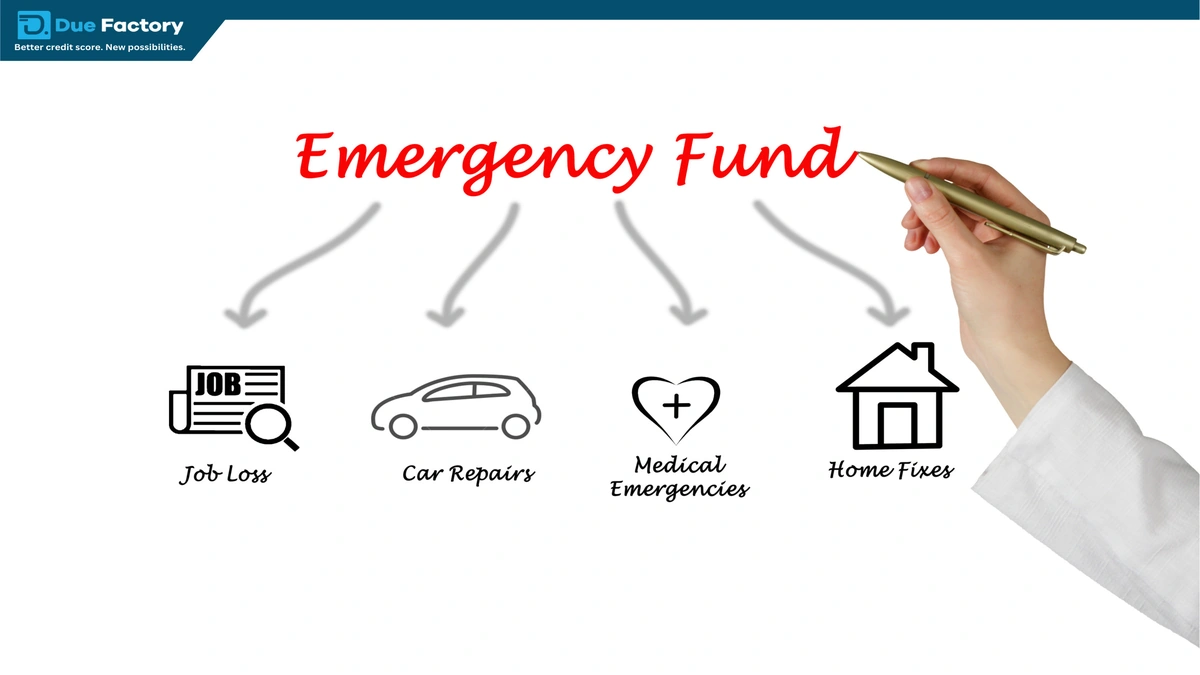
A contingency fund is your ultimate shield against the curveballs life throws at you. Think of it not as a boring savings account, but as a practical tool for financial peace of mind . When you have a solid, liquid financial safety net in place, an unexpected car breakdown, a sudden medical bill, or a lay-off isn’t a life-altering disaster anymore; it’s just an annoying inconvenience.
But here’s where traditional wisdom gets it wrong. Western finance gurus love to preach about saving three to six months of expenses right out of the gate. While that’s an excellent benchmark, starting from absolute scratch can make that target feel incredibly daunting. If your monthly expenses are ₹40,000, saving ₹2,40,000 feels like climbing Mount Everest without oxygen. You end up feeling overwhelmed, procrastinating, and saving absolutely nothing.
Let’s reframe this. You don’t need to build the entire fortress today. You just need to lay the first brick. While looking after your physical wellbeing such as optimizing your diet withtestosterone boosting foodsto manage stress and fatigue is crucial for handling life’s pressure, your financial health needs a solid baseline too. Think of saving like starting a new fitness routine; you wouldn’t buy a massive stash of supplements or read a complexprotein powder guidebefore you’ve even built the habit of walking every day. Focus on consistency first, and scale up later.
Step-by-Step | The Foolproof Plan to Build Your Contingency Fund
If you’re starting with a bank balance that makes you want to cry, don’t worry. We’ve all been there. Here is an actionable emergency savings plan designed to get you from zero to a comfortable safety cushion without losing your sanity.
Step 1: Track, Don’t Restrict. Before you save a single rupee, you need to understand where your money is going. UPI apps make it ridiculously easy to spend money without realizing it. One tap, one QR scan, and your balance trickles away. I used to think I was being frugal until I looked at my statements and realized I was spending thousands of rupees on micro-transactions tea breaks, quick auto rides, and small online purchases. Use a basic expense tracker or a simple notebook to map your outgoings for just 30 days. You’ll be surprised at what you find.
Step 2: Set a “Micro-Target” First. Forget the six-month rule for now. Your first goal is to save ₹15,000. That’s it. Why ₹15,000? Because in India, that’s usually enough to cover a minor medical outpatient bill, a major appliance repair, or emergency travel back home. It is a highly achievable target that builds momentum.
Step 3: Automate Your Micro-Savings. Do not rely on willpower. If you wait until the end of the month to save whatever is left over, you will save exactly zero rupees. Set up automatic monthly transfers to a separate account the day after your salary hits. Start with an amount so small you won’t even feel it say, ₹1,500 or ₹2,000. It’s about building the habit, not the amount.
Step 4: Gradually Increase the Buffer. Once you hit your micro-target of ₹15,000, celebrate! Then, raise the bar. Aim for one month of your actual monthly living expenses . Once you reach that, aim for three months. By breaking it down into smaller milestones, the journey feels less like a chore and more like a game where you keep leveling up.
Where to Park Your Cash (Without Letting Inflation Eat It Alive)
Where you keep your emergency fund is just as important as how much you save. The golden rule here is liquidity: you must be able to access your cash within minutes, even at 2 AM on a Sunday. However, keeping all your cash in your primary bank account is a terrible idea. It’s too tempting to spend, and standard savings accounts offer dismal returns.
To solve this, look for a modern high-yield savings account . Several newer private-sector banks in India offer competitive savings account interest rates ranging from 5% to 7% on daily balances, which is significantly better than the standard 3% offered by legacy public sector banks. This ensures your money is growing while remaining fully secure.
Another fantastic option is putting a portion of your money into liquid mutual funds or instant-redemption liquid debt funds. These liquid funds provide slightly better returns than a traditional bank account while allowing you to withdraw up to ₹50,000 (or 90% of the folio value) instantly to your bank account via UPI or IMPS. According to the regulatory safety guidelines on deposits laid out by theReserve Bank of India, having your funds distributed across highly secure, regulated institutions is the smartest way to safeguard your cash against institutional risks.
The Psychology of Saving | How to Stay the Course
Let’s be real: saving money is boring. Buying a new gadget or going out for a fancy dinner gives you an instant dopamine hit; putting ₹2,000 into a savings account does not. To make your saving habit stick, you need to change your relationship with money.
Think of your emergency fund not as “trapped money” you can’t spend, but as a purchase of financial security and freedom. Every rupee in that account represents a day of your life where you don’t have to tolerate a toxic boss, worry about a sudden landlord dispute, or panic about unexpected expenses . That is far more valuable than any smartphone or pair of shoes you could buy on EMI.
If you occasionally slip up and spend your savings on an impulse purchase, don’t beat yourself up. Personal finance is a marathon, not a sprint. Just reset, adjust your automatic transfers, and get back on track the following month. The peace of mind you’ll experience when you finally hit your target is worth every bit of the effort.
Frequently Asked Questions
How much money do I actually need in my emergency fund?
While standard financial advice suggests keeping three to six months of expenses, a great starting point for anyone in India is to build a micro-fund of ₹15,000 to ₹25,000. Once that is secure, gradually scale it up to cover at least three months of your absolute basic living costs, including rent, utilities, food, and active EMIs.
Can I use my credit card as an emergency fund?
No. A credit card is a debt tool, not a financial safety net. Relying on credit cards during emergencies can quickly pull you into a high-interest debt trap, especially if you cannot pay off the full balance the following month. An emergency fund should always consist of cold, hard cash or highly liquid assets.
Should I pay off my debts before building an emergency fund?
You should do both simultaneously. If you focus entirely on paying off debt and keep zero cash reserves, the next minor emergency will force you to borrow money again, trapping you in a vicious cycle. Save a small starter fund of ₹15,000 first, and then aggressively tackle your high-interest debts while keeping your savings intact.
Where is the safest place to keep my emergency cash in India?
The safest and most practical setup is to split your fund. Keep 50% in a separate high-yield savings account with a reliable bank, and park the other 50% in a sweep-in Fixed Deposit (FD) or an instant-redemption liquid mutual fund. This gives you the perfect balance of instant accessibility and decent returns.
When is it acceptable to use the emergency fund?
Your emergency fund is strictly for events that are unplanned, urgent, and absolutely necessary such as sudden medical bills, urgent car or home repairs, or coping with a sudden job loss. It is not a fund for buying concert tickets, booking holiday flights, or taking advantage of a festive online sale.